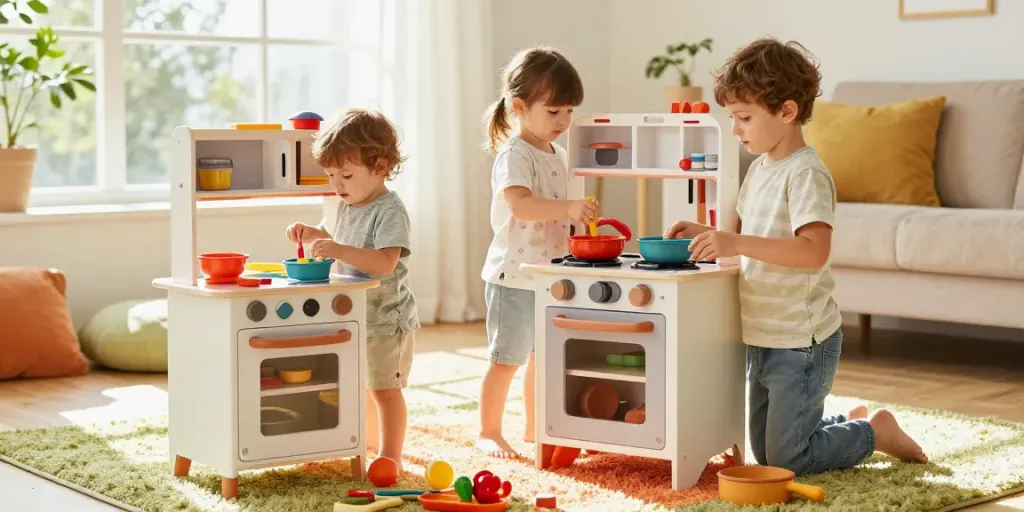
Understanding the Importance of Kids Kitchen Play
Play is a vital component of childhood, serving not just as entertainment but also as a critical element in the development of various skills. Among the numerous toys available, kids kitchen sets stand out due to their multifaceted benefits. These play kitchens not only stimulate imaginative play but also contribute to cognitive and social development in children. By engaging in pretend cooking, children can explore the world of culinary arts while learning essential life skills that will serve them well into adulthood.
What are the developmental benefits of a kids kitchen?
Kids kitchen playsets offer a range of developmental advantages. Firstly, they encourage creativity and imagination as children simulate real-life cooking scenarios. This imaginative role-play fosters problem-solving skills as children navigate pretend tasks such as meal preparation, ingredient selection, and kitchen organisation.
Moreover, kids kitchens can enhance fine motor skills. As children manipulate utensils, cut play food, or stir imaginary pots, they develop dexterity and hand-eye coordination. These skills are foundational for many everyday tasks, from writing to buttoning clothes.
Additionally, play kitchens serve as excellent tools for learning social skills. When children engage in cooperative play, whether cooking with friends or role-playing as restaurant chefs, they learn to communicate effectively and work as part of a team. This social interaction fosters empathy and understanding, building essential emotional intelligence.
How does pretend play enhance creativity and social skills?
Pretend play is a significant aspect of child development that allows children to express their creativity freely. Through the lens of a kid's kitchen, they can invent new recipes, create stories around their dishes, and develop a narrative for their actions. This form of imaginative play is crucial for cognitive development as it encourages children to think outside the box and develop their unique perspectives.
Socially, pretend play promotes collaboration and negotiation among peers. Children learn to share kitchen equipment, take turns in cooking roles, and even discuss the 'menu', which enhances their conversational skills. These interactions help to build friendships and teach children the importance of community and teamwork.
What age group benefits most from kids kitchen sets?
While kids kitchen playsets can appeal to a wide range of age groups, the most significant benefits are often observed in toddlers and preschoolers aged 2 to 6 years. During these formative years, children are particularly receptive to imaginative play, making it an ideal time for them to engage with kitchen sets.
At this age, playsets can also help bridge developmental milestones. For instance, children begin to understand the concept of role-play and can act out scenarios they observe in their environments, such as cooking alongside a parent. As they progress, older children can enjoy more complex kitchen sets that include features such as electronic sounds, interactive appliances, and a variety of accessories that challenge their creativity further.
Choosing the Right Kids Kitchen for Your Child
Selecting the perfect kids kitchen can seem daunting, but knowing what features to look for can make the process enjoyable and straightforward. Parents should consider various factors, including the material, size, and included accessories that best suit their child's needs and play preferences.
What features to look for in a kids kitchen set?
When choosing a kids kitchen set, there are several features that can enhance playability and safety. Look for kitchens with sturdy construction to ensure durability during vigorous play. Features like realistic appliances, such as ovens, microwaves, and sinks, can make play more engaging. Also, consider kitchens that come with ample accessories like pots, pans, utensils, and play food to facilitate imaginative scenarios.
Moreover, safety features such as rounded edges, non-toxic materials, and stability should never be overlooked. Ensuring that the play kitchen adheres to safety standards will give parents peace of mind as their children explore their culinary creativity.
Are wooden vs plastic kitchens better for kids?
Both wooden and plastic kitchens have their unique advantages. Wooden kitchens are often praised for their durability and aesthetic appeal, as they provide a classic, homey feel that many parents appreciate. They are typically sturdier and can withstand years of play, making them a worthwhile investment.
On the other hand, plastic kitchens usually come with a variety of features, including lights and sounds, which can enhance the interactive aspect of play. They are also generally lighter and easier to move around, making them a great option for smaller play spaces. Ultimately, the choice between wooden and plastic will depend on personal preference and the specific needs of the child.
How to choose a kids kitchen based on age and preferences?
When selecting a kids kitchen, consider your child's age and interests. For younger children (ages 2-4), opt for simpler designs with fewer intricate parts to avoid frustration. Kitchens with bright colours and familiar features can capture their attention and encourage play.
For older children (ages 5-8), look for more complex kitchens that include additional features such as interactive components that mimic real cooking experiences. Children who express a keen interest in cooking might benefit from kits that offer themed accessories or pretend food that reflects their favourite meals. Always ensure that the kitchen set aligns with your child's developmental stage and preferences to maximise engagement.
Top Kids Kitchen Accessories for Enhanced Play
Accessorising a kids kitchen can significantly elevate play experiences, turning a simple playset into a complete culinary adventure. The right tools and toys not only enhance realism but also foster skill development as children mimic cooking processes.
Must-have accessories for realistic play experiences?
To create a realistic and immersive cooking experience, consider including essential accessories like pots, pans, utensils, and a variety of play food. Accessories such as measuring cups and mixing bowls can introduce children to fundamental cooking concepts while encouraging imaginative play. Some kitchens may come with themed accessories like pizza kits or baking sets, which can help children explore different cuisines and cooking styles.
How to create a complete kitchen setup with play food?
To establish a complete kitchen setup, combine functional accessories with a diverse selection of play food. Include items like fruits, vegetables, and prepared meals to stimulate imaginative cooking. Encouraging your child to organise their play food by food group can introduce early concepts of nutrition and meal planning, making playtime both fun and educational.
Incorporating item storage solutions like baskets or shelves can also help children learn about tidiness and organisation while offering them the opportunity to engage in pretend grocery shopping or meal preparation.
Which tools enhance learning through play in a kids kitchen?
Tools that promote learning through play include measuring spoons, kitchen scales, and even pretend recipe books. These items can introduce children to fundamental math concepts such as counting and measuring while they engage in cooking scenarios. Teaching children how to 'follow a recipe' can also develop their ability to pay attention to sequencing, an essential cognitive skill.
Additionally, cooking tools that promote fine motor skills, like rolling pins or cookie cutters, can provide further opportunities for skill development while keeping the play engaging and interactive.
Safety Tips for Kids Kitchen Playsets
While play kitchens can offer a substantial amount of fun and learning, it is crucial for parents and caregivers to be aware of safety considerations. Ensuring that children can play safely within their kitchen environment will give parents peace of mind.
What safety standards should be followed for kids kitchen toys?
Always look for play kitchens that comply with safety standards, such as CE marking in Europe, which indicates compliance with EU safety legislation. Materials should be non-toxic, and components should be free from small parts that pose choking hazards, particularly for younger children. It’s essential to follow the manufacturer's age recommendations to ensure that the toy is appropriate for your child's developmental stage.
How to ensure safe play while cooking?
Encourage safe play by setting clear boundaries and guidelines for how to treat the kitchen set. Teach children about the importance of taking care of their toys and using them as intended. Regularly inspect the play kitchen and its accessories for damage or wear, and replace any broken parts immediately to avoid accidents.
What common hazards to be aware of with kids kitchen play?
Common hazards can include sharp edges, small detachable parts, or heavy components that could tip over. Always supervise young children, especially during active play, and remind them of safe play practices. Creating a safe play environment where children can explore their creativity without fear is key to enjoyable and productive playtime.
Future Trends in Kids Kitchen Toys
The landscape of kids kitchen toys is continuously evolving, with innovations that not only enhance play but also focus on learning outcomes. As we anticipate 2026, several emerging trends are likely to shape the future of play kitchens.
What innovations are shaping kids kitchen sets in 2026?
Expect to see a rise in kitchens that incorporate technology, such as smart interactive features that mimic real kitchen appliances. These innovations could include connection to apps that provide cooking tutorials or suggest recipes, giving children a modern twist on traditional play. Furthermore, eco-friendly materials may become more prevalent, reflecting a growing concern for sustainability among parents.
How do technological advancements influence play kitchens?
Technological advancements can significantly enhance the play experience. Features like touch-activated cooking sounds, LED lights, and even programmable elements can make kitchens more engaging for children and can encourage imaginative role-play. For instance, a play kitchen that mimics chopping sounds when children pretend to slice vegetables can provide auditory feedback that enriches the experience.
What upcoming trends should parents anticipate when shopping?
As trends evolve, parents can expect to see more multi-functional play kitchens that can transform and adapt to suit a child's growing interests. Some sets may include interchangeable accessories that can convert the kitchen into a café or a bakery, allowing children to explore a variety of culinary roles. Additionally, the integration of STEM (Science, Technology, Engineering, and Mathematics) concepts into play kitchens, which encourages exploration of fundamental principles through cooking, may become more widespread.
What is the best kitchen for kids?
The best kitchen for kids is one that fits comfortably within your space, meets safety standards, and suits your child's age and interests. Features such as interactive elements, realistic design, and ample accessories can enhance the play experience. Ultimately, the choice should reflect an understanding of your child's personality and play style.
What age to get rid of kids kitchen?
Many children begin outgrowing their kitchens by ages 8 to 10, depending on their interests and developmental stages. However, some children may continue to enjoy pretend play well into their pre-teens. Consider allowing your child to keep their kitchen for as long as they find joy in it, or repurpose it for younger siblings or friends to enjoy.
How much does a kitchen set for kids cost?
The cost of a kids kitchen set can vary widely based on brand, materials, and features. Basic plastic sets can start as low as £50, while more elaborate wooden kitchens with interactive features may reach upwards of £200 or more. It’s essential to balance budget with quality, choosing a set that offers durability and play value for your investment.
Where can you buy kids kitchens?
Kids kitchens can be purchased at a variety of locations, both in-store and online. Popular retailers such as Amazon, Argos, and dedicated toy stores offer a wide range of options. Additionally, consider browsing specialty toy retailers or websites focused on educational toys for unique or high-quality selections.