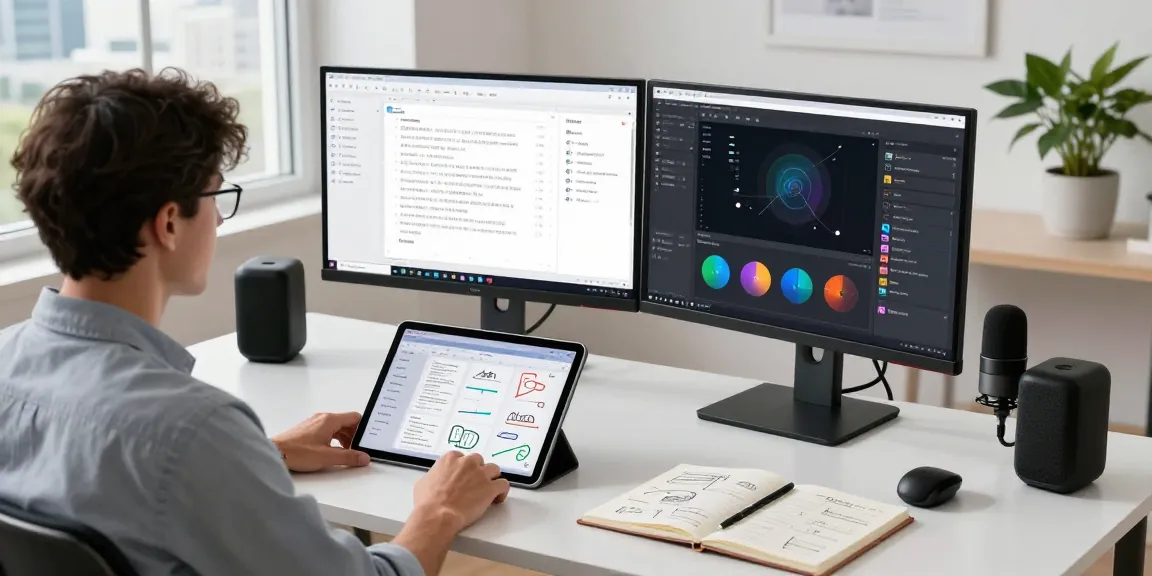
Understanding the Role of AI Assistants
In our increasingly digital world, the role of AI assistants has become more pivotal across various sectors, transforming the way individuals and businesses approach tasks. An AI assistant is a software application that uses artificial intelligence to perform tasks or provide services to users. From scheduling appointments to automating customer interactions, these tools have evolved significantly, making them indispensable in our daily routines and professional workflows. When exploring options, AI assistant technology can offer comprehensive insights into market trends and user preferences.
What is an AI Assistant?
An AI assistant can be defined as a digital tool powered by artificial intelligence technologies designed to assist users in performing specific tasks. These tasks can range from managing calendars, setting reminders, responding to emails, to providing real-time information on diverse topics. Major players in the market include Siri, Google Assistant, Alexa, and more specialized tools like Jasper for content creation. The functionality and complexity of these assistants largely depend on the technology that powers them, with most relying heavily on natural language processing (NLP) and machine learning algorithms.
The Evolution of AI Assistants
The journey of AI assistants started in the mid-20th century with the development of early computer programs capable of carrying out simple tasks. However, the real breakthrough came with advancements in machine learning and NLP, allowing these assistants to understand and process human language more accurately. Originally rudimentary, the capabilities of AI assistants have expanded over time, leading to their current status as sophisticated tools that can automate complex workflows and enhance productivity. Notably, the introduction of conversational AI has allowed for more natural interactions, making these tools more accessible to the general public.
How AI Assistants Improve Productivity
AI assistants are designed to streamline tasks and enhance productivity. By automating mundane activities such as data entry, scheduling, and follow-ups, these tools free up valuable time for users to focus on more critical aspects of their work or personal life. In business environments, AI assistants can analyze vast amounts of data, offering insights and suggestions that can drive decisions. Furthermore, the integration of AI assistants into existing systems allows companies to optimize their operational workflows, ultimately leading to cost savings and efficiency improvements.
Types of AI Assistants Available Today
Personal AI Assistants for Daily Tasks
Personal AI assistants like Google Assistant, Siri, and Cortana are widely recognized for their ability to assist with everyday tasks. These assistants can manage to-do lists, set reminders, play music, and even control smart home devices. They can provide personalized recommendations based on user preferences, making them an essential tool for individuals seeking to enhance their daily productivity. The use of voice commands has further simplified user interactions, allowing for hands-free assistance.
Enterprise AI Assistants in Business
In a business context, enterprise AI assistants are designed to support teams and improve organizational efficiency. These applications can automate customer service interactions, manage internal communications, and analyze employee performance metrics. Tools like Zendesk's answer bot or Drift's conversational marketing software can handle customer queries round the clock, ensuring that businesses maintain high levels of service without overwhelming their human resources.
AI Assistants in Creative Industries
Creative professionals are leveraging AI assistants to inspire innovation and streamline workflows. AI tools are now capable of generating music, art, and even writing content. For instance, applications such as Jasper AI assist writers by providing content ideas and drafting materials based on specific guidelines. These creative AI assistants can not only assist in idea generation but also analyze audience engagement, helping creators fine-tune their messages and connect with their audiences more effectively.
Key Features to Look for in an AI Assistant
User-Friendly Interface and Experience
The usability of an AI assistant is critical to its effectiveness. A user-friendly interface enables users to navigate the application seamlessly, reducing the learning curve and enhancing overall productivity. Look for AI assistants that offer intuitive design, easy setup processes, and clear instructions for usage. Additionally, a conversational interface can significantly improve user interaction and satisfaction, making tasks feel less cumbersome.
Integration with Other Tools and Platforms
Effective AI assistants should integrate seamlessly with existing tools and platforms within an organization or personal ecosystem. This interoperability allows for a smoother workflow and can help to centralize information management. For instance, an AI assistant that can connect with calendar applications, email platforms, and project management tools will contribute to enhanced efficiency and collaboration.
Customization and Adaptability to User Needs
Every user has unique needs, and the best AI assistants are those that adapt to these individual requirements. Customization options can include the ability to set specific preferences, adjust task priorities, and tailor responses. This adaptability ensures that the AI assistant is not just a one-size-fits-all solution but rather a personalized tool that evolves with the user.
Best Practices for Implementing AI Assistants
Identifying Your Needs and Goals
Before adopting an AI assistant, it's essential to identify specific needs and goals. Consider the tasks that are consuming the most time and seek solutions that can alleviate these pain points. Conducting a thorough analysis of user requirements will ensure that the chosen AI assistant aligns with organizational or personal objectives, maximizing the potential benefits.
Choosing the Right AI Assistant for Your Use Case
With a plethora of AI assistants available, selecting the right one can be overwhelming. Evaluate the features of each option against the identified needs. Consider factors such as ease of use, scalability, and support for integrations. It may also be beneficial to conduct trials with a few different assistants to see which best fits your work style and preferences.
Monitoring and Optimizing AI Assistant Performance
Regularly monitoring the performance of an AI assistant is crucial to ensuring it meets its intended goals. Collect feedback from users and analyze the efficiency of the assistant in completing tasks. Adjust settings and preferences as needed to optimize performance. This proactive approach helps to maintain engagement and effectiveness over time.
The Future of AI Assistants in 2026 and Beyond
Emerging Trends in AI Technology
The evolution of AI technology will continue to shape the future landscape of AI assistants. Trends such as the integration of emotion recognition capabilities, where assistants can gauge user sentiment and adjust interactions accordingly, will likely become more common. Additionally, advancements in machine learning will enhance the decision-making abilities of these assistants, making them even more valuable in various contexts.
Potential Challenges and Considerations
As AI assistants become more integrated into daily life, ethical considerations surrounding data privacy and security will remain paramount. Organizations and developers must ensure user data is protected and that AI technologies are designed with transparency in mind. Additionally, addressing biases in AI algorithms will be critical to ensure that these tools serve all users equitably.
Predictions for AI Assistant Development
Looking forward, it is predicted that AI assistants will not only become more ubiquitous but will also evolve to handle increasingly complex tasks. Innovations such as multilingual capabilities and enhanced contextual understanding will broaden their applicability. Furthermore, as remote work continues to rise, the demand for efficient digital assistants will only increase, solidifying their role as essential tools for productivity in both personal and professional environments.